By The Center Team
Walkability has become one of the most searched and most misunderstood terms in real estate. Buyers use it constantly, but what they mean by it varies widely depending on their lifestyle, their priorities, and the kind of daily experience they are trying to build. In a city like Sarasota, where the built environment ranges from vibrant urban streetscapes to quiet waterfront enclaves to sprawling master-planned communities, walkability means something different depending on which neighborhood you are standing in.
As The Center Team, we spend a great deal of time helping buyers understand not just whether a neighborhood is walkable but what kind of walkability it offers and whether that specific version aligns with the life they are trying to live. That distinction matters enormously, and it is one we want to explore with the depth it deserves.
Defining Walkability Beyond the Walk Score
Most people have encountered Walk Score, the algorithm that assigns a numerical walkability rating to any given address based on proximity to amenities, transit access, and street connectivity. It is a useful starting point, but it is a blunt instrument when applied to a city as nuanced as Sarasota.
A high Walk Score tells you that destinations exist within a certain radius. It does not tell you whether the sidewalks are pleasant, whether the streetscape feels safe and inviting, whether there is shade on a July afternoon, or whether the destinations within reach align with your actual daily needs and lifestyle preferences.
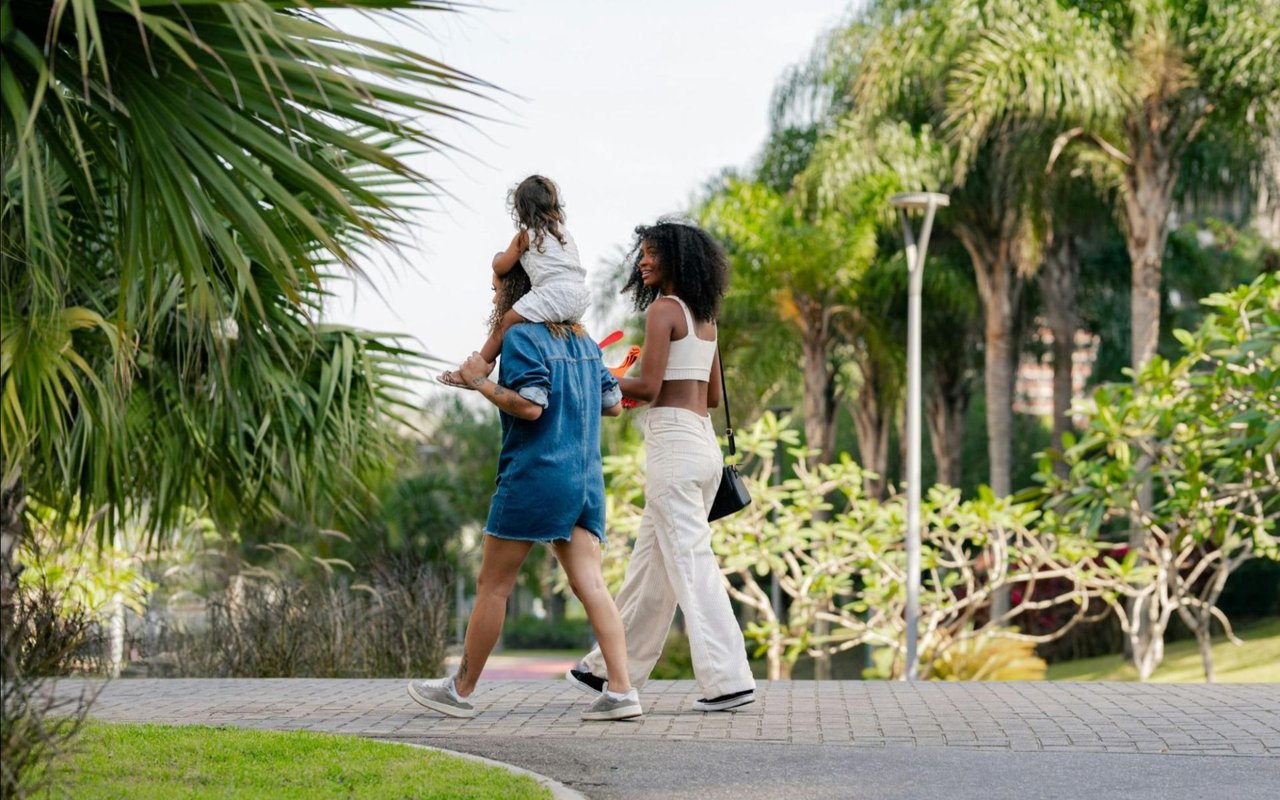
True walkability in Sarasota is about the quality of the pedestrian experience as much as the quantity of nearby destinations. It is about whether you can leave your front door on a Tuesday morning and walk to a coffee shop, a farmers market, a waterfront path, or a neighborhood restaurant without getting in your car.
By that fuller definition, Sarasota has several genuinely walkable neighborhoods and several that offer a different but equally valid version of connected living.
Downtown Sarasota: The Pinnacle of Urban Walkability
If pure urban walkability is your priority, downtown Sarasota delivers it more completely than anywhere else in the city. The Main Street and Palm Avenue corridor forms the commercial and cultural heart of the city, with an exceptional concentration of restaurants, galleries, boutiques, the Sarasota Opera House, the Sarasota Ballet, and the Saturday Farmers Market all within comfortable walking distance of one another.
Residential options in and around downtown Sarasota, including condominiums along Gulfstream Avenue, properties in the Laurel Park neighborhood, and newer luxury developments rising along the bayfront, place residents within genuine walking distance of daily life in a way that is rare in Florida's predominantly car-dependent urban fabric.
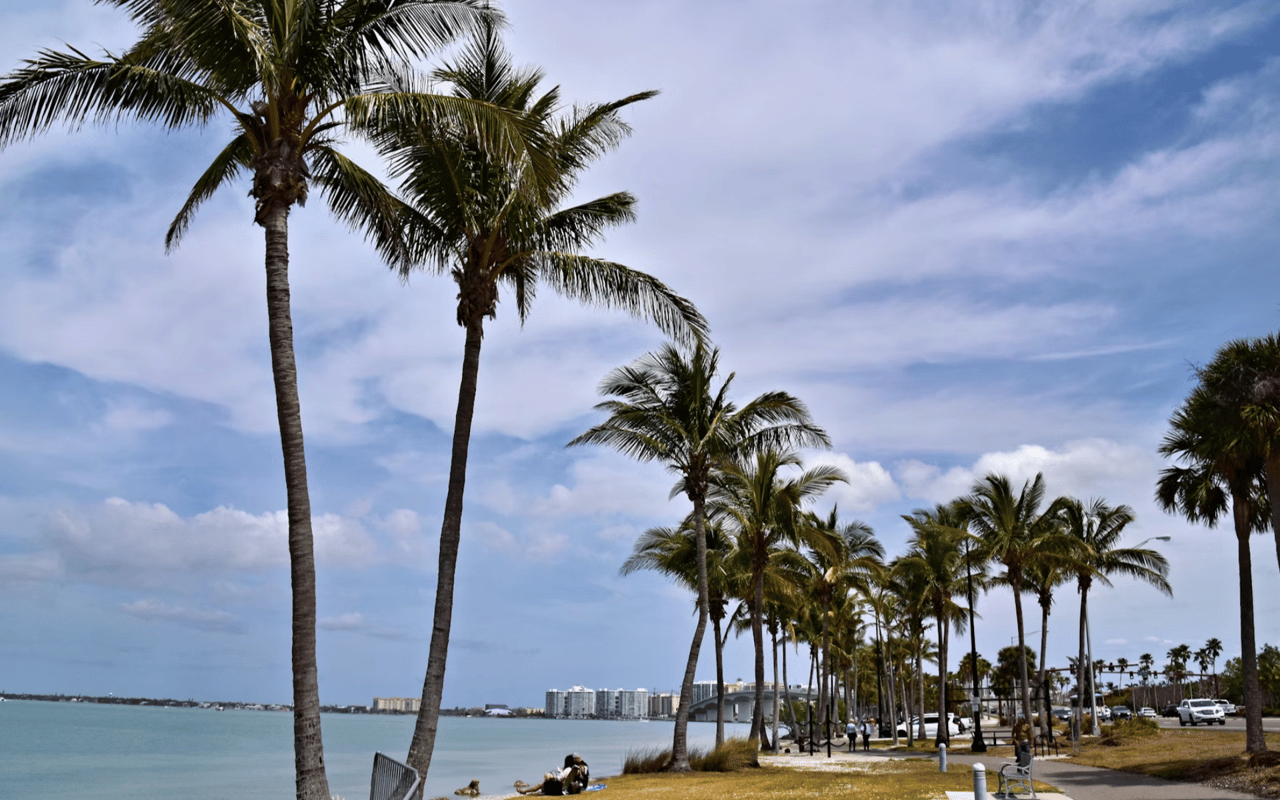
The Bayfront Park waterfront promenade and the proximity to Marina Jack add an outdoor dimension to downtown walkability that elevates the experience beyond a typical urban grid. For buyers who want to leave their car in the garage on weekday evenings, downtown Sarasota makes that aspiration realistic.
St. Armands Circle: Walkability With a Resort Character
St. Armands Circle on Lido Key offers a distinct and deeply appealing version of walkability anchored by one of the most charming commercial districts on Florida's Gulf Coast. The circular layout of St. Armands Circle itself, ringed by upscale dining, boutique retail, gelato shops, and art galleries, creates a natural pedestrian environment that invites lingering in a way that linear commercial strips rarely do.
Residents of Lido Key and the St. Armands neighborhood can walk to the Circle for dinner, stroll to Lido Beach for a morning swim, and move between a remarkably curated set of lifestyle destinations entirely on foot. The scale of the island and the relatively low traffic volumes compared to mainland Sarasota make the pedestrian experience here genuinely pleasant and relaxed.
For buyers seeking walkability with a vacation-quality atmosphere built into everyday life, this corridor is difficult to surpass anywhere in the Sarasota market.
Rosemary District: Emerging Urban Walkability
The Rosemary District, situated just north of downtown Sarasota, has undergone a remarkable transformation over the past several years and now represents one of the most exciting walkable neighborhoods in the city for buyers seeking an urban edge with genuine community character. Independent coffee shops, craft cocktail bars, chef-driven restaurants, art studios, and residential developments have collectively created a streetscape that rewards walking at every turn.
The Rosemary District's proximity to downtown amplifies its walkability considerably, as residents can easily move between the two neighborhoods on foot and access the full range of downtown amenities without a car.
For younger buyers, creative professionals, and anyone drawn to neighborhoods still in the process of becoming something great, Rosemary District offers walkable urban living with a dynamic energy that more established neighborhoods sometimes lack.
Southside Village and West of Trail: Neighborhood Walkability Done Right
Not all compelling walkability in Sarasota is urban in character. The Southside Village area and the broader West of Trail corridor offer a neighborhood-scale walkability that many buyers find more livable and more aligned with their daily rhythms than the intensity of downtown. Southside Village anchors this area with a charming cluster of restaurants, a beloved independent bookstore, specialty food shops, and neighborhood-serving retail that gives residents genuine daily destinations within walking distance of their homes.
The residential streets of the West of Trail neighborhood, lined with mature trees, architecturally significant homes, and a quiet elegance that reflects Sarasota's most established residential character, are genuinely pleasant to walk at any time of day. The proximity to Southside Village, Morton's Gourmet Market, and the broader Osprey Avenue corridor creates a walkable lifestyle that feels curated rather than accidental.
For buyers seeking walkability without the density of downtown living, this area consistently rises to the top of our recommendations.
Lakewood Ranch and Master-Planned Walkability
It would be incomplete to discuss walkability in the Sarasota market without addressing Lakewood Ranch, the nationally acclaimed master-planned community straddling Sarasota and Manatee counties that has become one of the fastest-growing communities in the United States. Walkability in Lakewood Ranch looks different from what you find in Sarasota's urban core, but it is no less intentional or effective for the lifestyle it serves.
Lakewood Ranch's trail network, its Main Street village center, its network of parks and green spaces, and the internal connectivity between its various villages create a walkable framework designed specifically for residential community life. Residents walk to the farmers market, bike to the sports complex, and stroll through neighborhoods that feel genuinely safe and pedestrian-oriented.
For families, retirees, and buyers who prioritize a planned, well-maintained environment over urban spontaneity, Lakewood Ranch delivers walkability that is purposeful, polished, and highly livable.
FAQ: Walkability in Sarasota Neighborhoods
Which Sarasota neighborhood is the most walkable overall?
Downtown Sarasota scores highest on traditional walkability metrics and offers the broadest range of daily destinations accessible on foot. However, St. Armands Circle, Rosemary District, and Southside Village each offer compelling walkable experiences suited to different lifestyle preferences.
Is Sarasota generally a walkable city compared to other Florida markets?
Sarasota is among the more walkable cities in Florida, particularly in its urban core and barrier island neighborhoods. Compared to sprawling markets like Orlando or Jacksonville, Sarasota's compact geography and investment in pedestrian infrastructure make it meaningfully more walkable, though a car remains practical for many residents depending on their neighborhood.
Does walkability affect property values in Sarasota?
Consistently yes. Properties in walkable Sarasota neighborhoods, particularly downtown, West of Trail, and St. Armands, command premium valuations that reflect buyer demand for pedestrian-accessible living. Walkability is a recognized value driver in the Sarasota market.
What should buyers look for beyond Walk Score when evaluating walkability?
We encourage buyers to evaluate sidewalk quality and continuity, shade and street tree coverage, the specific destinations within walking distance relative to their daily needs, traffic volumes and crossing safety, and the overall character and safety of the pedestrian environment at different times of day.
Can The Center Team help us identify the most walkable neighborhoods for our specific lifestyle?
Absolutely. Understanding how walkability intersects with your daily routine, your lifestyle priorities, and your budget is one of the most valuable conversations we have with buyers new to the Sarasota market. We know these neighborhoods personally and can match you to the walkable environment that fits your life best.
Ready to Find Your Perfect Walkable Neighborhood in Sarasota?
Walkability is ultimately a personal equation, and finding the neighborhood in Sarasota that matches your version of it requires local knowledge, market expertise, and a genuine understanding of how different communities feel to live in day after day. That is exactly what The Center Team brings to every client relationship. We know Sarasota's neighborhoods the way only true market insiders can, and we are committed to helping you find not just a home but a daily life you love.
Visit thecenterteam.com to explore current listings, discover neighborhood insights, and connect with The Center Team to begin finding your perfect place in Sarasota today.